The geodesic dome: lots of space, little structure, no column in the middle
Light, fast to assemble and hypnotically beautiful, the geodesic dome is one of architecture's most brilliant ideas — and one of the most sought-after stay experiences in the world. Understand how it works, and why it fascinates us.
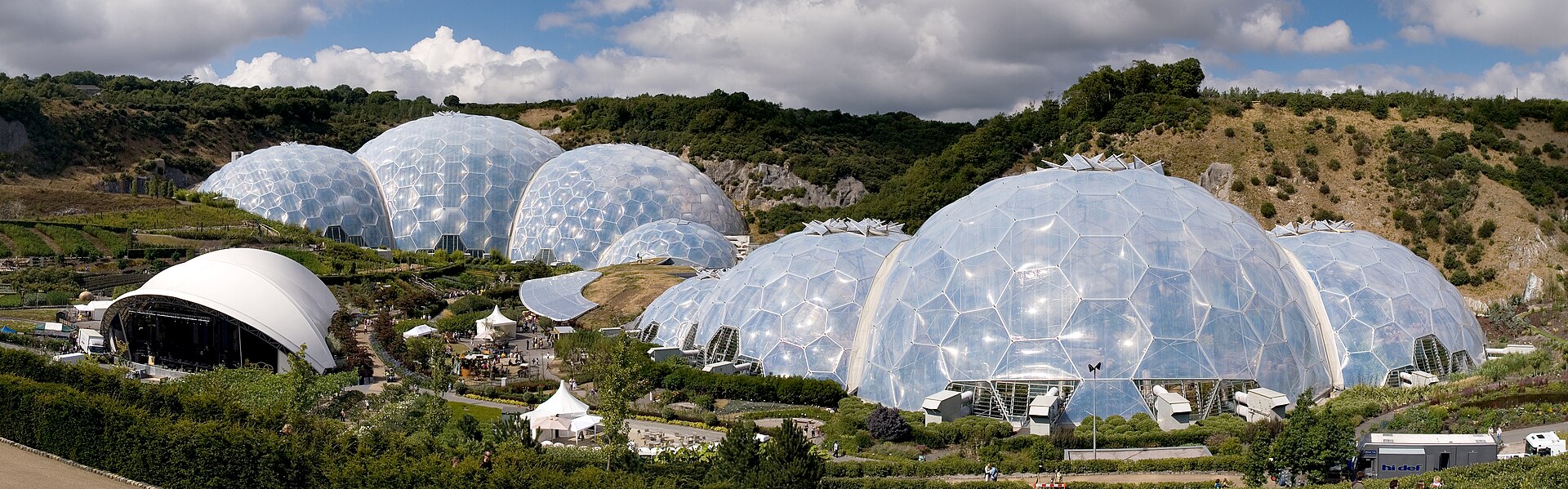
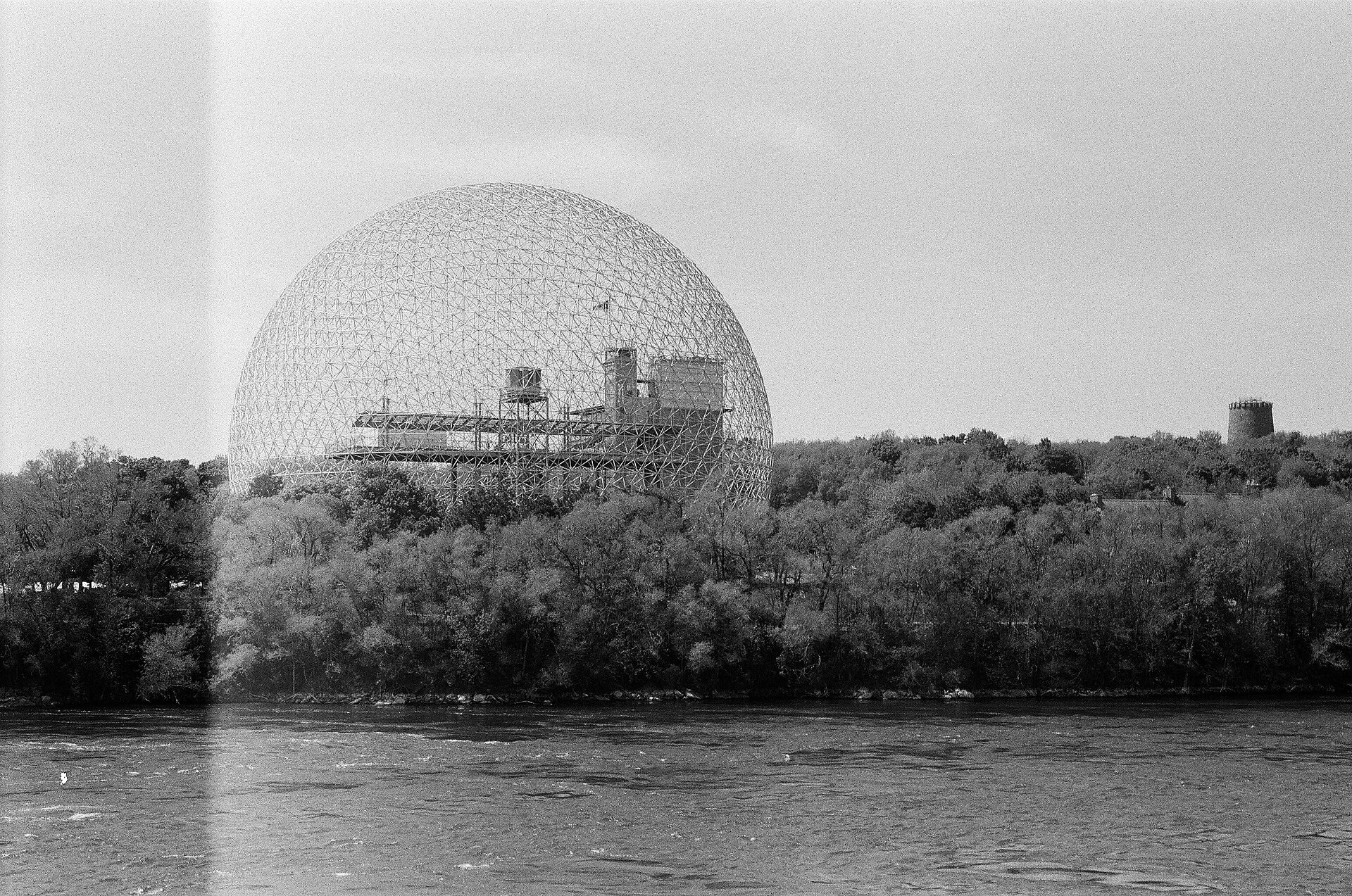
Imagine covering a large space — a room, a winter garden, a hall for hundreds of guests — with no single column in the middle, using a fraction of the material of an ordinary build, and with a shape that catches the eye from any angle. That's the geodesic dome: a mesh of triangles that hold each other up in the form of a cupola. Pure geometry becoming architecture. No wonder it has been captivating everyone from Buckminster Fuller in the 1950s to the most sought-after boutique hotels on Instagram.
Why the dome captivates
- Brilliant structure: the triangles distribute the weight across the whole mesh. The result is one of the best strength-to-weight ratios in architecture — lots of space, very little material.
- Free span, no columns: the interior is a single, spacious, scenic environment. Perfect for entertaining, exhibiting, celebrating — or simply breathing.
- Fast to assemble: standardised pieces (struts and connectors) that fit together — the structure goes up in days, not months.
- Efficient and strong: the aerodynamic shape handles wind well, and air circulates naturally inside the cupola. Light to transport, firm once assembled.
- Beauty that sells: the dome is photogenic by nature. As a stay or an events space, it is both the shelter and the attraction.
How a dome takes shape
Behind the futuristic look there is a clear method — and each stage has its craft:
- Design and frequency: you set the diameter and the frequency (1V, 2V, 3V…), that is, how much the mesh is subdivided. More frequency, more triangles, closer to the sphere — and the larger the possible span.
- Calculating the pieces: the geometry determines the lengths of the struts and the angles of the connectors. This is where precision matters: wrong piece, crooked dome.
- Connectors and struts: the hubs and bars form the skeleton. Wood, steel or tube — each material calls for a type of joint.
- Foundation and porch: the base that receives the cupola and the entrance that integrates it with the land.
- Cover: technical canvas, polycarbonate or panels — the "skin" that closes the dome, from translucent glamping to a fully sealed hall.
- Skylight and openings: the opening at the top to ventilate and light, plus windows and doors that bring comfort and a view.
- Finishing: floor, insulation and the final touch that turns the structure into a welcoming space.
From glamping to the grand event
The dome has a dual calling. On a small scale, it becomes the dream stay: a translucent suite amid the green, to sleep under the stars with the comfort of a good room — one of the most sought-after experiences in nature tourism. On a large scale, it becomes an events hall: with no internal columns, it opens space for weddings, graduations and gatherings with an atmosphere no ordinary tent offers, holding from dozens to hundreds of guests depending on the diameter.
What this has to do with Villela Stay
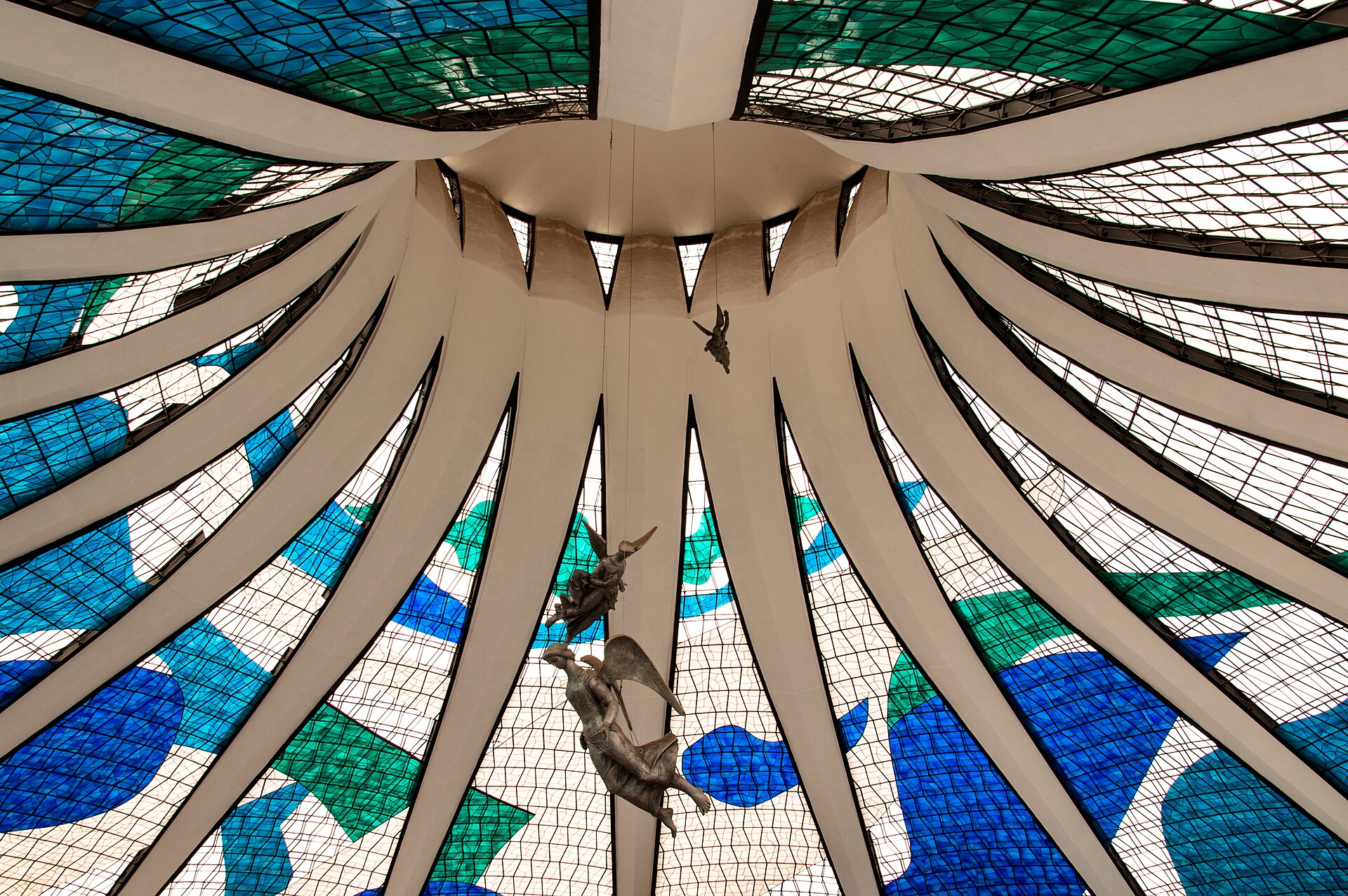
Brasília was born from a bold bet on architecture — cupolas, curves and geometry that became the symbol of an entire city. It makes perfect sense that, around here, we remain in love with structures that combine ingenuity and beauty. The geodesic dome is exactly that: form and function in the same gesture. If you dream of hosting an event under a dome, staying in one, or bringing a project to life — to live in, to invest or to build — talk to us. We love a good conversation about spaces that enchant.